-
Crypto
Blockchain to Disrupt Music Industry and Make it Change Tune’
The music industry is poised for a disruptive change and blockchain is the technology of choice for doing just that.…
Read More » -
Crypto
Bitcoin Hits 2022 High As Analyst Gives New $80K BTC Price Target
Despite recent market volatility, the price of Bitcoin remains on the upside, having surpassed the $40,587 resistance level and testing…
Read More » -
Crypto
Accel DeFi Review – Redefining Finance and the Web3
DeFi protocols allow users to be custodians of their own crypto funds. Users can interact with decentralized applications via a…
Read More » -
Finance

JPMorgan Chase & Co
JPMorgan Chase & Co. is an American multinational investment bank and financial services holding company headquartered in New York City.…
Read More » -
Crypto
Why Are NFTs Sold at Large Discount?
In the last decade, the number of NFTs issued has tripled, with more than $20 billion in annual sales. While…
Read More » -
Crypto
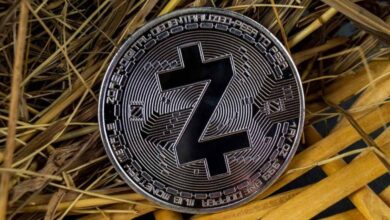
Hot Predictions For the ZEC Coin
The ZEC is a privacy token in the cryptocurrency space that consistently ranks among the top 20 cryptocurrencies. Like Bitcoin,…
Read More » -
Crypto
Is Web3 Gaming Ready for Mainstream Adoption?
Web3 gaming has spent years promising player-owned economies, tradable digital items, and virtual worlds where users can earn from their participation. The first wave attracted significant investment, yet many blockchain games struggled with speculative markets, complicated wallets, and gameplay that felt secondary to token incentives.
The industry has since moved toward more practical infrastructure. Faster networks, account abstraction, improved custodial options, and better game engines are reducing the friction that once defined crypto gaming. Developers are also learning that sustainable communities are built around entertaining experiences rather than short-term rewards.
Mainstream adoption is therefore less about whether players will use blockchain technology consciously. It is about whether ownership, interoperability, and digital scarcity can improve games without forcing users to understand every underlying mechanism.
Why Earlier Blockchain Games Lost Momentum
The initial play-to-earn model created rapid growth by paying players with tokens or NFTs. That approach attracted users from emerging markets and generated impressive transaction volumes, but many economies relied on a steady stream of new participants. When token prices declined, rewards lost their appeal and player numbers fell sharply.
User experience was another major obstacle. Players often had to create a wallet, purchase cryptocurrency, pay gas fees, bridge assets between networks, and manage private keys before starting a game. These steps are familiar to crypto enthusiasts but feel unnecessary to the average console, PC, or mobile gamer.
The Infrastructure Is Becoming More Invisible
Layer-2 networks and gaming-focused blockchains now offer lower transaction costs and faster confirmation times. Developers can process frequent in-game actions without exposing players to the complexity of a public ledger. Some platforms also sponsor transaction fees or bundle them into the game’s operating model.
Account abstraction is equally important. Instead of requiring users to write down a seed phrase, games can support email or social logins, recovery systems, and embedded wallets. This shifts blockchain from a visible product feature into background infrastructure, similar to cloud servers or payment processing.
Readers tracking these changes can follow crypto market coverage alongside updates on blockchain applications, decentralized finance, and Web3 projects.
Gameplay Must Lead the Business Model
The strongest argument for mainstream adoption is a genuinely enjoyable game. A compelling multiplayer title can introduce digital ownership naturally through cosmetic items, collectible characters, user-generated content, or marketplace trading. Players do not need financial incentives if the core loop is rewarding and the community is active.
This requires a healthier relationship between game design and token economics. NFTs should provide practical or expressive benefits rather than function purely as speculative assets. Developers must also protect competitive balance, prevent pay-to-win mechanics, and make sure item scarcity does not damage accessibility.
Adoption factor Earlier Web3 model Mainstream-ready direction Wallet access Separate wallet and seed phrase Embedded accounts and simple recovery Transaction costs Player-paid gas fees Sponsored or invisible transactions Game economy Rewards driven by token issuance Revenue supported by gameplay and services Digital assets Speculative collectibles Cosmetics, access rights, and user-created content Ownership Often limited by platform rules Clearer transfer and usage rights Regulation Uncertain treatment of tokens Compliance-aware economies and disclosures Digital Ownership Has Practical Potential
The most useful blockchain application in gaming may be portable ownership. Players could retain certain assets when they move between games, platforms, or communities. In practice, this will depend on shared standards, compatible game engines, and agreements between publishers.
Interoperability should not be treated as an obligation for every title. A fantasy sword may have little meaning in a racing game, and forcing assets into unrelated worlds can weaken design quality. More realistic applications include cross-game identity, creator royalties, verified collectibles, and access passes that work across connected experiences.
Publishers Face Commercial And Regulatory Risks
Large publishers have strong incentives to experiment with digital goods, but they also face reputational and legal risks. Players remain skeptical after aggressive NFT launches, hidden fees, and projects that appeared designed primarily for monetization. Transparent pricing and clear explanations of asset rights will be essential.
Regulatory treatment of tokens, digital collectibles, and virtual economies also varies by jurisdiction. Games that enable trading or financial returns may attract additional scrutiny, particularly when rewards resemble investment products. Publishers will need legal frameworks that address consumer protection, taxes, anti-money-laundering rules, and intellectual property.
What Could Trigger Wider Adoption
Mainstream growth is most likely to come from games that use blockchain quietly and selectively. A successful title may offer optional ownership, marketplace access, or creator tools while allowing players to participate without buying cryptocurrency. This model expands the addressable audience and avoids presenting Web3 as a barrier to entry.
Mobile gaming could become an important testing ground because its users are accustomed to digital purchases, live-service updates, and virtual items. At the same time, distribution policies from major app stores will influence how wallets, tokens, and secondary markets can operate. The winning products will combine familiar onboarding with meaningful improvements to player experience.
Signals Worth Watching
Investors, developers, and players can assess the sector through practical indicators rather than token price alone. The following signals offer a clearer view of whether blockchain gaming is becoming sustainable:
- Strong daily and monthly retention after promotional rewards decline
- Wallet creation that happens automatically or with minimal friction
- Revenue from gameplay, subscriptions, cosmetics, and creator services
- Transparent rules for asset ownership, royalties, refunds, and account recovery
- Active communities built around the game rather than its token price
The quality of development teams will matter as much as the technology. Studios with experience in live operations, multiplayer design, security, and community management are better positioned to build durable virtual economies. Partnerships with established entertainment brands may bring attention, but they cannot replace engaging gameplay.
Web3 gaming is closer to mainstream readiness than it was during the play-to-earn boom, yet broad adoption is not guaranteed. The technology has matured, infrastructure is less cumbersome, and digital ownership offers credible benefits. Still, players will decide the outcome based on fun, fairness, performance, and value.
For the sector to break through, blockchain must become useful without becoming demanding. Follow the next generation of gaming platforms, crypto markets, and Web3 applications through trusted coverage, and evaluate each project by its player experience before its promises of digital wealth.
-
Crypto

Buying and Selling Bitcoin in Canada
The most common way to buy and sell Bitcoin is through a cryptocurrency exchange. These exchanges are similar to traditional…
Read More »